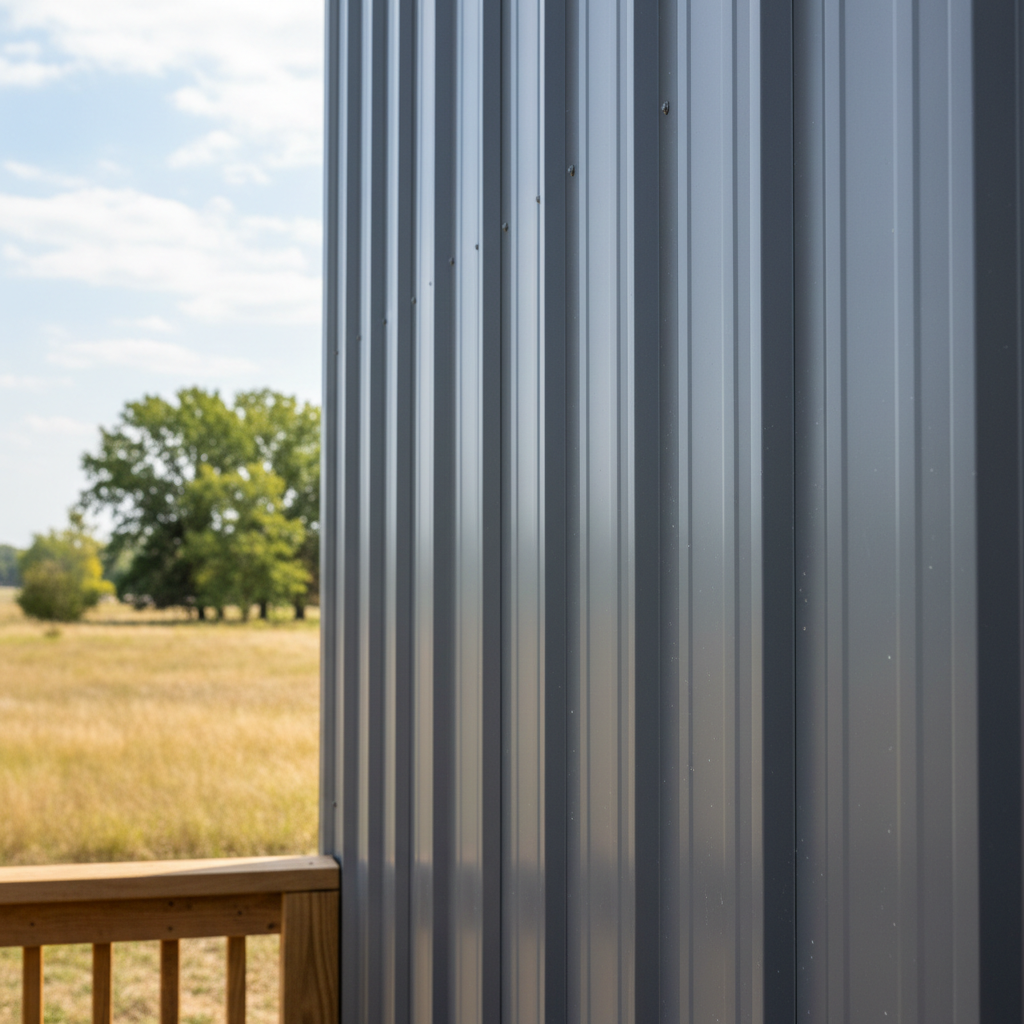
Alright, let's talk metal siding. You're seeing more and more of it around Great Bend these days, and for good reason. It's tough, looks sharp, and can really stand up to our Kansas weather – those crazy hail storms we get, the high winds that rip through, even the scorching summer sun. But before you jump in, whether you're thinking about doing some of it yourself or hiring someone, there are a few things you really ought to know.
Before You Start: Planning & Prep
First off, metal siding isn't just one thing. You've got steel, aluminum, and even some fancy copper or zinc options, though those are less common for residential. Steel is usually what folks mean when they say 'metal siding' around here. It's durable, comes in a ton of colors and profiles – from traditional lap to modern vertical panels – and it's practically maintenance-free once it's up. Aluminum is lighter and won't rust, but it can dent a bit easier.
Before you even think about buying materials, you need a plan. What's your goal? A full exterior overhaul? Just one section? What's your budget? Metal siding can be a bigger upfront investment than vinyl, but it usually pays off in longevity and energy efficiency. You'll want to think about insulation too. Good insulation behind your metal siding can make a real difference in your heating and cooling bills, especially with our extreme temperatures.
Now, what can you DIY here? Measuring and ordering materials? Absolutely. You can get pretty accurate measurements yourself, but always add a little extra for waste – maybe 10-15%. Removing old siding? If it's vinyl or wood, and you're comfortable with basic tools and working safely on a ladder, you can probably handle that. Just be ready for what you might find underneath – old sheathing, maybe some rot. That's when you might start thinking about calling a pro.
During the Project: Installation Insights
This is where the line between DIY and calling in the cavalry gets a bit clearer. Installing metal siding isn't like hanging a picture. It requires precision, specialized tools, and a good understanding of flashing, trim, and how to properly secure panels so they don't buckle or leak. You're dealing with long, sometimes heavy, panels that need to be cut straight, fastened correctly, and aligned perfectly. A crooked panel sticks out like a sore thumb.
For a small, straightforward shed or a very simple wall section, a handy homeowner might be able to tackle it. You'd need a good metal shear or a specific saw blade, a reliable drill, a level, and probably a second person to help handle the longer pieces. But for your whole house, especially if it has multiple windows, doors, or complex angles, I'm telling you, it's a big job. One mistake can lead to water intrusion, which is a headache you absolutely don't want.
When we do metal siding jobs at Absolute Siding Solutions, we're not just slapping up panels. We're making sure the house wrap is installed perfectly, that all penetrations are properly sealed, and that the trim pieces – like soffit, fascia, and corner posts – are integrated seamlessly. It's all about preventing water from getting behind the siding, which is critical for protecting your home's structure, especially in older homes in neighborhoods like the Stone Creek area where you might have some older framing.
After It's Up: Maintenance & Longevity
Here's the best part about metal siding: once it's up, it's pretty much set and forget. You won't be painting it every few years like wood. You won't be patching holes from stray baseballs like you might with thinner vinyl. Metal siding is incredibly durable. Most modern metal siding comes with a high-quality finish that resists fading, chipping, and peeling for decades.
What do you need to do? Mostly just keep it clean. A good rinse with a garden hose once a year usually does the trick to wash off dust and dirt. For tougher spots, a soft brush and some mild soap and water will work. Just avoid harsh chemicals or abrasive scrubbers that could damage the finish. Also, keep an eye on your gutters and downspouts to make sure they're directing water away from your siding and foundation. Clogged gutters can cause water to overflow and run down your siding, which isn't ideal for any material.
Every now and then, do a quick walk-around. Check for any loose fasteners, dings, or areas where trim might be pulling away. If you spot anything, it's usually an easy fix if caught early. If you had a professional like us install it, we'll often offer warranties on our workmanship, so it's good to know who to call if something does come up. But honestly, with metal siding, you're investing in peace of mind. It's a tough, good-looking choice that'll protect your home for a long, long time.
```