Why Bother Cleaning My Siding Anyway? Isn't Rain Enough?
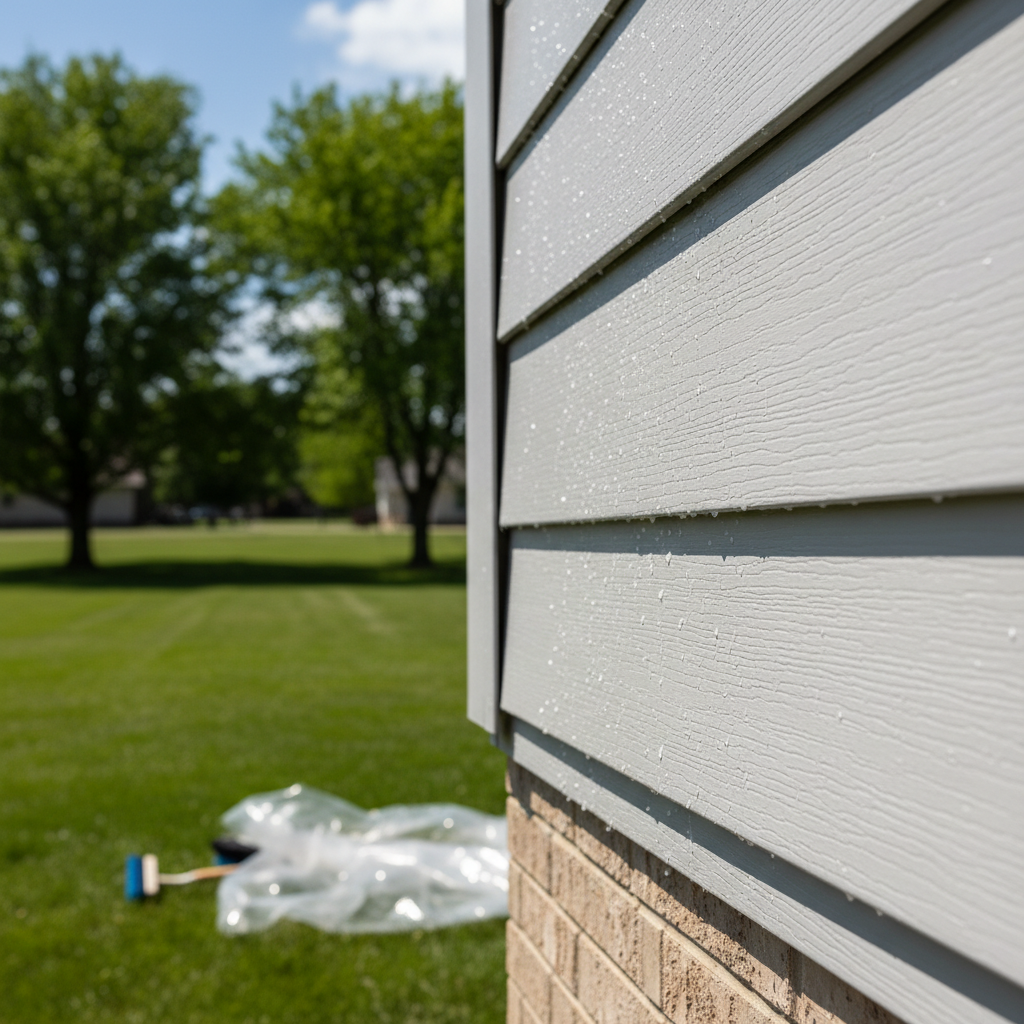
Look, I get it. Life's busy. You've got kids' soccer practice, work, and that never-ending list of chores. But thinking rain will handle your siding cleaning? That's like saying a shower will clean your car. It just doesn't cut it. Over time, your siding collects a whole lot more than just dust. We're talking about algae, mold, mildew, dirt, pollen, and even spiderwebs. Here in Great Bend, especially after a humid summer or a wet spring, that green stuff can really take hold, particularly on the north-facing sides of homes where the sun doesn't hit as much. If you let it go too long, that grime can actually start to break down your siding material, whether it's vinyl, wood, or even fiber cement. It's not just about curb appeal; it's about protecting your investment and keeping your home healthy. Plus, who wants to see green streaks running down their house?
What's the Best Way to Clean Siding – Pressure Washer or Soft Wash?
This is probably the most common question I get, and for good reason. Everyone thinks a pressure washer is the answer to everything, right? And yeah, it can be, but you gotta be careful. For most siding, especially vinyl, a pressure washer used incorrectly can do more harm than good. You can blast water up under the panels, leading to moisture issues inside your walls, or even strip paint and damage the siding itself. I've seen plenty of folks try to DIY it and end up with lines etched into their siding or blown-out window seals.
For 99% of residential siding cleaning, what you really want is a technique called soft washing. This involves using a low-pressure spray (think garden hose pressure, but with more volume) combined with specialized cleaning solutions. These solutions do the heavy lifting, breaking down the mold, mildew, and dirt. Then, the low-pressure rinse washes it all away. It's safer for your siding, your landscaping, and your windows. It's what we use at Absolute Siding Solutions because it gives the best results without the risk.
How Often Should I Clean My Siding?
There's no one-size-fits-all answer here, but a good rule of thumb for most homes in our area is every one to two years. If your house is surrounded by a lot of trees, or if you live near a dirt road, you might need it more frequently. Homes in older neighborhoods like the one around Brit Spaugh Park, with lots of mature trees, often see more algae growth than newer developments. If you notice green or black streaks, or if your siding just looks dull, it's probably time. Don't wait until it's really bad, because then it takes more effort and stronger solutions to get it clean.
Can I Use Just Bleach and Water? Is That Safe?
A lot of people think bleach is the magic bullet for cleaning anything, and while it's a powerful disinfectant, it's not always the best or safest choice for your siding. Diluted bleach can work on some mold and mildew, but it can also be harsh on certain siding materials, especially if it's painted. It can fade colors, and it's definitely not good for your plants or lawn if it runs off. Plus, the fumes aren't pleasant to work with.
Professional soft wash solutions are formulated specifically for siding. They contain surfactants and algaecides that are effective at killing organic growth without damaging your siding or the environment around your home. If you're going the DIY route, look for oxygen bleach cleaners or dedicated house wash detergents, and always test them in an inconspicuous spot first. And for goodness sake, wear eye protection and gloves!
What About Those Stubborn Red Stains from Our Kansas Soil?
Ah, the joys of Kansas soil! That red clay we have around here can leave some nasty stains, especially after a good rainstorm splashes dirt up onto the lower parts of your siding. Regular house wash solutions might lighten it, but often, those red stains need a little extra attention. There are specific iron-out products or rust removers designed for exterior surfaces that can help. You'll want to apply them carefully, let them dwell, and then rinse thoroughly. Just be sure to read the labels because some of these can be pretty strong. If you're dealing with a lot of it, it might be worth calling in a pro who has the right products and knows how to use them without damaging your siding.
Should I Clean My Gutters While I'm At It?
Absolutely, yes! This is a no-brainer. Your gutters and downspouts are designed to direct water away from your home. If they're clogged with leaves, twigs, and debris, they can overflow, sending dirty water cascading down your siding. This not only makes your siding dirty faster but can also lead to water damage to your fascia, soffits, and even your foundation. When we do a siding cleaning, we're often looking at the whole exterior system. Cleaning your gutters is a relatively easy task that prevents a whole host of other problems down the line. It's like changing the oil in your car – preventative maintenance saves you bigger headaches and expenses later.
What's the Deal with Those Black Streaks Under My Windows?
Those black streaks, sometimes called 'tiger stripes,' are usually caused by oxidation from your window screens. Over time, the aluminum in the screens can oxidize, and when it rains, that black residue washes down onto your siding. It's particularly noticeable on lighter-colored siding. It's a common problem, and it can be tough to get off with just soap and water. Often, it requires a specialized cleaner designed to remove oxidation. It's not something that hurts your siding, but it sure doesn't look good. If you're getting your siding professionally cleaned, make sure to point those out so they can be specifically treated.
``` faction: