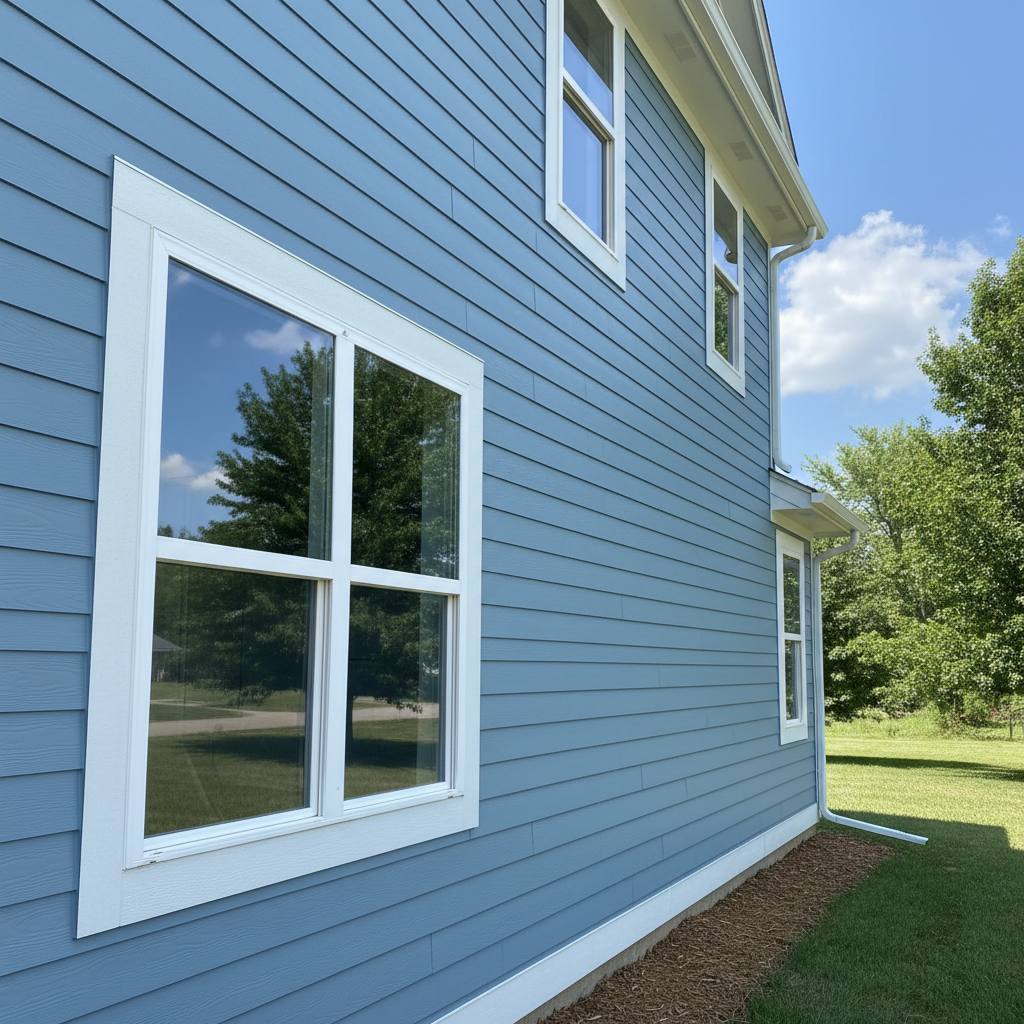
So, you've put new siding on your Great Bend home. That's a smart move, really – it changes the whole look and feel of a place, doesn't it? But new siding isn't just about making things pretty right now; it's about keeping your biggest investment safe for years to come. And just like a new truck, it needs a little TLC to keep it running smoothly. I've seen plenty of homes around here, from the older spots downtown to the newer builds out by the lake, and the ones that truly last are the ones that get a bit of attention.
Making Your Siding Last: After the Install
You want your siding to stick around, right? Of course you do. The good news is, a lot of its staying power comes down to some pretty simple stuff. First off, getting it put on correctly is huge – that's where a company like Absolute Siding Solutions steps in, making sure everything's done right. But once we're done, it's really up to you to keep an eye on things. Think of it like this: your siding is your home's skin, protecting everything inside from our wild Kansas weather. We get those brutal summer sun rays that can bake anything, then the harsh winter winds and ice. It's a tough environment to live in.
One big thing? Handle moisture. Water is the enemy of any exterior surface. Make sure your gutters are clean and draining properly, pushing water away from the foundation. If water's constantly dripping or pooling against your siding, it'll find a way in, eventually. This is especially true for homes with older, big trees where leaves and other junk can really clog things up fast.
Also, keep your landscaping trimmed back. Bushes and trees that are always rubbing against the siding can cause abrasive damage over time. Plus, they trap moisture and block sunlight, creating a damp, shady spot that's perfect for mold and mildew. Give your siding some room to breathe, okay?
Regular Upkeep: Your Siding's Best Friend
This isn't rocket science, but it makes a huge difference. Here's what I tell folks:
- Clean it regularly: Once a year, give your siding a good wash. A soft brush and a garden hose with a mild detergent are usually all you need. For tougher spots, you can use a pressure washer, but be careful! Too much pressure, or holding it too close, can damage the siding, especially vinyl. Keep the nozzle moving and at a safe distance.
- Inspect for damage: Walk around your house a couple of times a year. Look for cracks, chips, loose panels, or anything that just doesn't look right. After a big storm, especially those hail storms we get, it's a must-do.
- Check seals and caulk: Pay attention to where your siding meets windows, doors, and trim. The caulk there can dry out, crack, and pull away over time, creating openings for water. Re-caulking these areas is a simple fix that prevents bigger problems.
- Watch for pests: Insects and rodents can sometimes get behind siding, especially if there are small gaps. Look for nests, droppings, or holes.
Warning Signs: Don't Ignore These
Your siding usually gives you clues when something's wrong. Don't brush these off:
- Fading or discoloration: While some fading is natural over decades, sudden or uneven fading can indicate a problem, especially if it's accompanied by chalkiness.
- Cracks, chips, or holes: These are obvious entry points for water and pests. Even small ones can lead to big issues if you just leave them.
- Warping or buckling: This is common with vinyl siding if it wasn't installed correctly or if it's exposed to extreme heat. It can also happen with other materials if moisture gets behind them.
- Loose panels: If you see siding panels flapping in the wind, you need to resecure them immediately.
- Mold, mildew, or rot: Dark spots, fuzzy growth, or soft, crumbling areas on your siding or trim are clear signs of moisture problems.
- Peeling paint inside: If you're noticing paint peeling on interior walls that are behind an exterior wall, that's a huge red flag for a moisture leak coming from your siding.
- Higher utility bills: Damaged siding can compromise your home's insulation, leading to heat loss in winter and heat gain in summer.
When to Call a Professional
Look, I'm all for homeowners doing what they can, but some things are just better left to the pros. If you see any of the serious warning signs I just mentioned, or if you're just not comfortable tackling a repair yourself, give us a call. Don't wait until a small issue turns into a major structural problem. We've seen it happen. Sometimes, what looks like a minor crack is actually a symptom of a bigger water intrusion issue behind the siding.
Also, if you've had a significant storm with hail or high winds, it's always a good idea to get a professional inspection. We can spot damage that might not be obvious to the untrained eye, especially on higher sections of your home. Getting it fixed early can save you a bundle down the road. We're here to help keep your Great Bend home protected and looking good, so don't hesitate to reach out if you've got questions or need a hand.