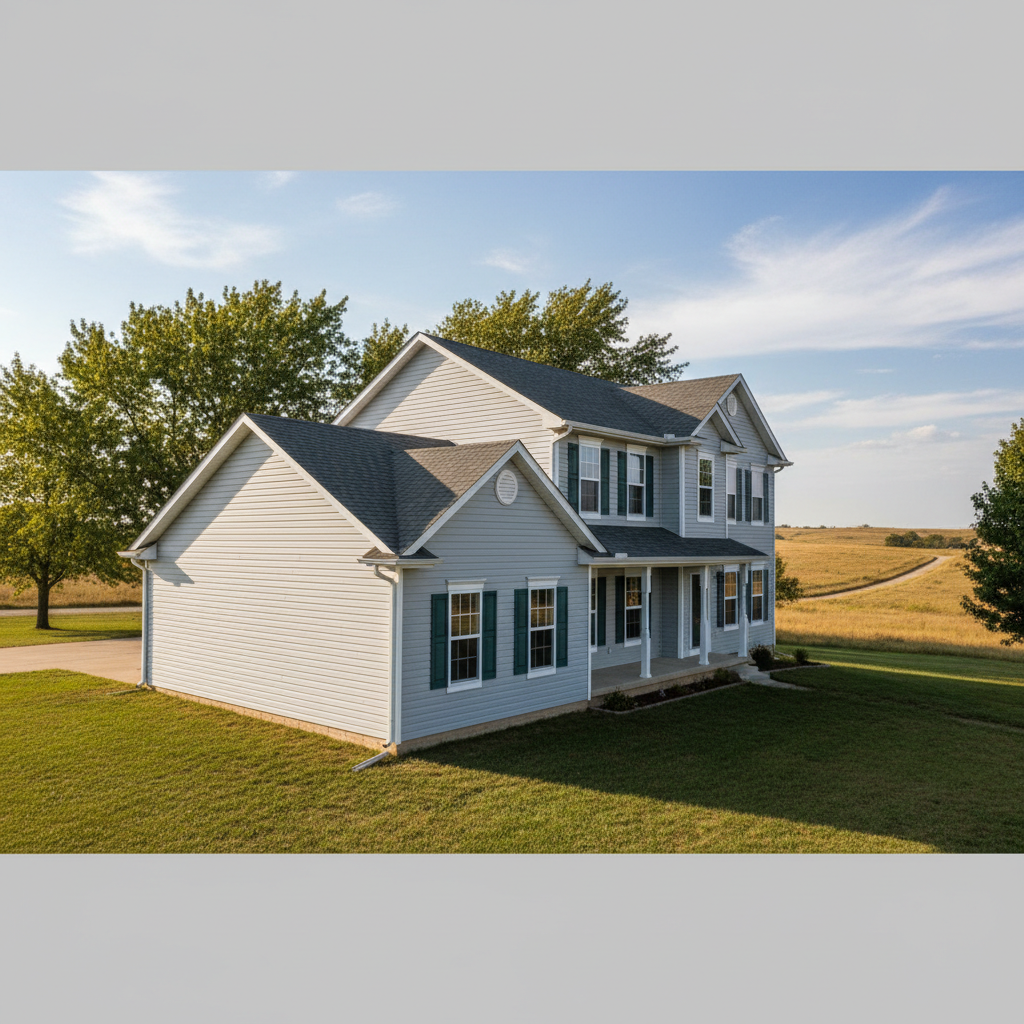
So, you're thinking about new siding. Good call, really. It's a big investment, no doubt, but it does so much for your home: it protects it, makes it look sharp, and can even trim down those energy bills. Before you dive in, though, you need a plan. I've seen enough siding jobs here in Great Bend to know that a little prep work goes a long, long way. Let's talk about getting this done right.
Setting Your Siding Project Timeline
First off, let's nail down the timing. Most folks don't quite realize how long the whole process can take, especially if you're not just patching up a small section. From that first phone call to the very last nail, you're probably looking at anywhere from 4 to 12 weeks — sometimes even more. Here’s a rough breakdown:
- Initial Contact & Estimates (1-3 weeks): You'll call a few contractors, set up site visits, and get bids. Don't rush this part. Really, get at least three estimates.
- Decision & Contract (1-2 weeks): Once you've picked a contractor, you'll go over the contract, ask any lingering questions, and sign on the dotted line.
- Material Ordering (2-8 weeks): This often takes the longest. Siding materials, especially specialty stuff like certain fiber cement colors or custom trim, aren't usually just sitting in a warehouse nearby. They need to be ordered and shipped. Supply chain hiccups can stretch this out, so be ready for that.
- Permits (1-3 weeks): Most siding jobs in Great Bend will need a permit from the city. Your contractor should handle this, but it definitely adds to the timeline.
- Installation (1-3 weeks): This is when the actual work happens on your house. How long it takes depends on your home's size, the job's complexity (lots of gables, intricate trim?), and, of course, the weather. We can't work in a blizzard or a torrential downpour, and Great Bend certainly sees its share of both.
Always factor in a buffer. Things happen. Weather delays, unexpected repairs once the old siding comes off, material backorders — it's better to plan for a bit longer than to end up disappointed, right?
What to Expect During Installation
Alright, the materials are here, the permit's approved, and the crew is ready to roll. What's it actually going to be like?
- Noise and Activity: It's a construction site. There will be hammering, sawing, and general crew chatter. If you work from home, plan for some distractions.
- Debris: We'll set up a dumpster or a trailer for the old siding and other waste. We really try our best to keep the site tidy, but there will be debris. Please keep kids and pets away from the work area.
- Yard Impact: We'll need space for materials, equipment, and ladders. Expect some temporary impact on your landscaping, especially right around the foundation. We'll protect what we can, but it's a good idea to move anything fragile or valuable away from the house beforehand.
- Access: We'll need to get to all sides of your house. Make sure gates are unlocked and clear paths are available.
- Uncovering Surprises: Sometimes, when the old siding comes off, we find issues underneath. Rotten sheathing, old pest damage, maybe even structural problems. We'll bring these to your attention immediately and talk through your options. This is where a good contractor really shines – being transparent and finding solutions.
We'll be there every day, working hard until the job's done. At Absolute Siding Solutions, we pride ourselves on keeping you in the loop, every step of the way.
How to Get Your Home Ready
You can actually help make the process smoother for everyone involved. Here’s your homeowner prep list:
- Clear the Perimeter: Move patio furniture, grills, planters, toys, and anything else away from the house. If you have delicate plants or shrubs right up against the wall, consider covering them with tarps or burlap.
- Secure Valuables: Take down anything hanging on the exterior walls, like decorative signs, hose reels, or light fixtures you want to keep.
- Interior Precautions: The hammering can cause vibrations inside. Secure any loose items on shelves or walls, especially near the exterior walls where work is happening. Sometimes, pictures can shift or even fall.
- Pet & Child Safety: Keep pets indoors or in a secure, fenced area away from the work zone. Explain to your kids that it's a construction zone and they need to stay clear for their safety.
- Vehicle Access: Make sure there's clear access for our vehicles and equipment. If you usually park in the driveway, you might need to find an alternate spot for a bit.
- Talk to Your Neighbors: Give your neighbors a heads-up. Let them know there will be some noise and activity for a few weeks. It's just good neighborly practice, don't you think?
Key Questions to Ask Before Signing
This is crucial. Seriously. Don't sign anything until you're comfortable with the answers to these questions:
- Are you licensed and insured? Get proof. This protects you if something goes wrong.
- What's the full scope of work? Make sure everything you discussed is in writing – material type, color, trim, removal of old siding, cleanup.
- What's the payment schedule? A reputable contractor won't ask for 100% upfront. Expect a down payment, progress payments, and a final payment once the job's complete and you're satisfied.
- Who will be doing the work? Is it your crew, or do you sub out? If they sub out, are those subs also licensed and insured?
- What's the warranty? Get details on both the material warranty (from the manufacturer) and the labor warranty (from the contractor).
- How do you handle unexpected issues? What if you find rot or other damage once the old siding is off? How will that be communicated and priced?
- What's your cleanup process? How will they get rid of debris? Will they do a final magnet sweep for nails?
- Can I see references or past projects? A good contractor will be happy to show you their work and connect you with previous clients.
Asking these questions upfront will save you headaches down the road. A siding replacement is a big deal, and you want to make sure you're working with someone you trust to do it right. Take your time, do your homework, and you'll end up with a beautiful, protected home that stands up to those Kansas winds for years to come.