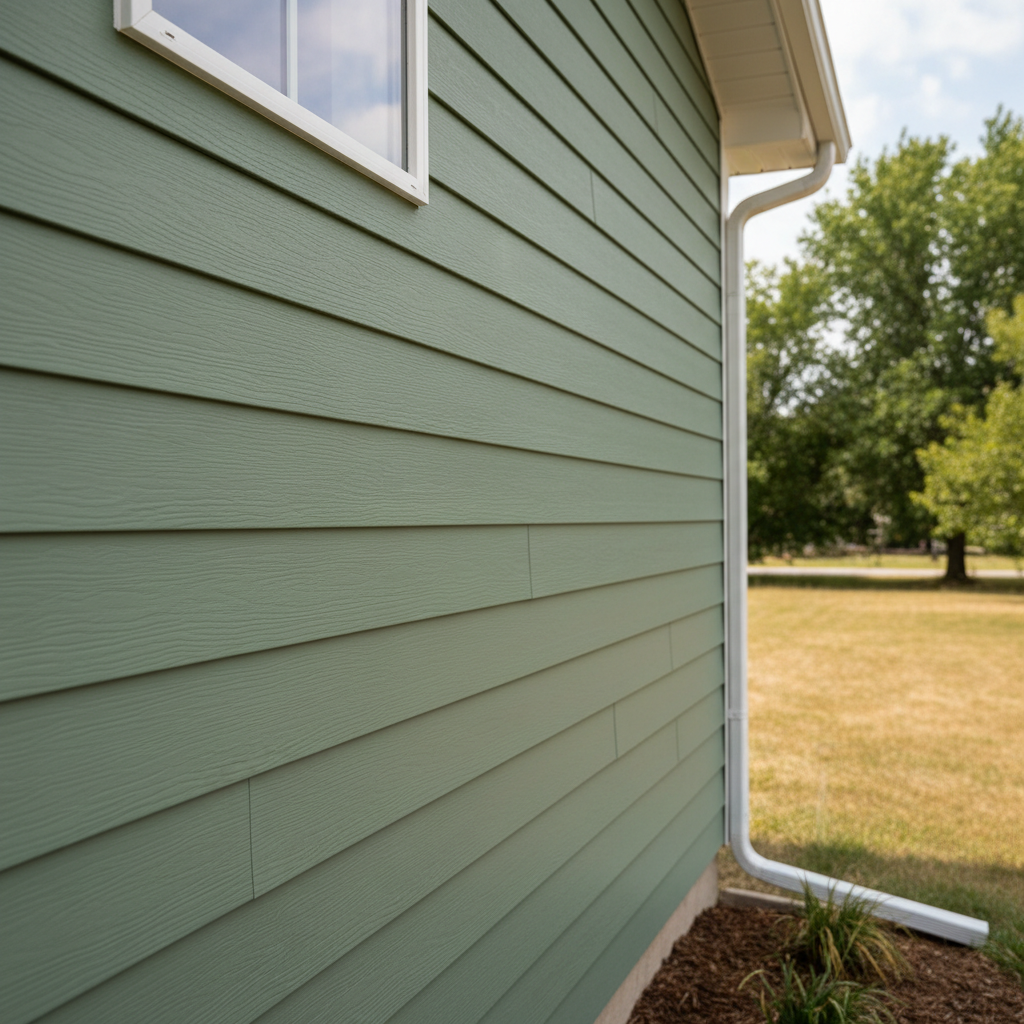
Alright, let's talk about vinyl siding. It's a popular choice around Great Bend, and for good reason. It's durable, low-maintenance, and can really spruce up a place. But I get a lot of the same questions from folks when they're considering it, so I figured I'd just lay it all out for you. No fancy sales pitch, just what I've seen and what you need to know.
Does vinyl siding hold up to Kansas weather?
You bet it does. Look, we know Kansas weather isn't for the faint of heart. We get those brutal summer suns that bake everything, and then winter comes with its ice and wind. And don't even get me started on the hail storms that roll through here, especially in the spring. Good quality vinyl siding, properly installed, is designed to expand and contract with temperature changes without cracking or warping. It's built to withstand high winds – we're talking gusts that would make lesser materials buckle. When I install it, I make sure it's rated for our climate, and we use the right fasteners and techniques to ensure it stays put, even when a big storm blows in from the west. It's not indestructible, nothing is, but it's a very resilient material for our climate.
What's the deal with insulation under vinyl siding? Do I need it?
That's a smart question, and it's one I get a lot. You don't have to have insulation board under vinyl siding, but I almost always recommend it, especially if your home is older or you're looking to improve energy efficiency. Think of it this way: the siding itself is primarily a weather barrier and aesthetic finish. It doesn't offer much in the way of insulation value on its own. Adding a layer of insulated sheathing, like foam board, underneath creates an extra thermal break. This can make a noticeable difference in your utility bills, keeping your house cooler in the summer and warmer in the winter. It also helps create a smoother, more uniform surface for the siding, which can make the finished job look even better. It's a small extra cost upfront that can really pay off over time.
Can I install vinyl siding over my old siding?
Sometimes, but it's not always the best idea. This is where you really need an experienced eye. If your existing siding is in decent shape – meaning it's flat, structurally sound, and not rotting or severely damaged – then yes, we can often install new vinyl siding right over it. This saves on tear-off costs and can add another layer of insulation. However, if your old siding is loose, rotting, or has significant moisture damage, we absolutely need to remove it first. Covering up problems just hides them, and they'll only get worse, potentially leading to bigger issues down the road. We'll always do a thorough inspection before making that call. My crew at Absolute Siding Solutions will give you an honest assessment of what's best for your home.
How long does vinyl siding last?
With proper installation and decent quality material, you can expect vinyl siding to last a good 20 to 40 years, sometimes even longer. The warranties on the material itself are often in that range, sometimes even lifetime. Now, 'lasting' doesn't always mean it'll look brand new for forty years. Over time, like anything exposed to the elements, it might fade a little, especially on the south-facing side of a house that gets hit with direct sun all day. But it won't rot, peel, or need repainting like wood. The key is that initial installation. If it's not put up right, you'll see problems much sooner, like panels buckling or coming loose. That's why choosing a reputable contractor is so important.
What kind of maintenance does vinyl siding need?
This is one of the biggest selling points for vinyl siding: it's super low maintenance. You don't have to paint it, ever. For most homes in Great Bend, a good washing every year or two is all it needs. You can use a garden hose with a soft brush, or a power washer on a low setting with a wide tip. Just be careful with power washers, you don't want to force water up under the panels. A mild detergent can help with stubborn dirt or mildew. That's pretty much it. Keep an eye out for any panels that might have come loose after a really bad storm, but honestly, if it's installed correctly, that's a rare occurrence.
Will vinyl siding increase my home's value?
It absolutely can. Replacing old, worn-out siding with new vinyl can significantly boost your home's curb appeal, which is a big factor when buyers are looking. It gives your house a fresh, clean look without the ongoing maintenance headache of painting. Plus, if you add that insulation board underneath, you're also improving your home's energy efficiency, which is another big draw for potential buyers. While you might not get a dollar-for-dollar return on the investment, it's one of those improvements that generally nets a very good return, especially compared to something like a kitchen remodel. It makes your home more attractive, more efficient, and easier to care for, and buyers appreciate all of that.
So, there you have it. Vinyl siding is a solid choice for a lot of homes around here, from the older places downtown to the newer builds out by the bypass. If you've got more questions, or you're ready to talk about a quote, just give us a call at Absolute Siding Solutions. We're here to help.